This blog article will be dedicated to SIP and SIP calls. It is meant to provide an introduction for UC Engineers to the main headers and guide through the debugging of the most popular call scenarios that will be described in the next articles.
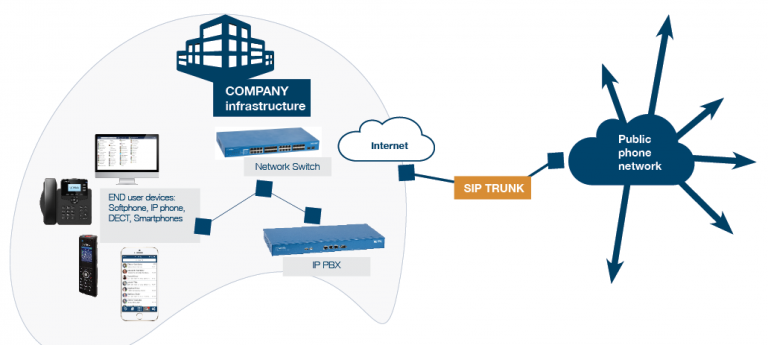
As we have seen in SIP and XMPP standards in Unified Communications and Media transfer in Unified Communications – SDP protocol, SIP (Session Initiation Protocol) and SDP-RTP have become the de facto replacement mode for traditional analog and digital lines provided by operators all over the world.
SIP is also the most popular signaling mode to handle VoIP calls.
Being able to understand SIP sessions has become for a Unified Communication Engineer as important as in the past for Telephony Experts to read signaling traces in Q.931 / Q.921 / DS1 / QSIG generated by T1 / E1 PRI – BRI ISDN lines.
In this blog article we continue to analyze RTP and RTCP and we will see why Jitter Buffer is important and how it affects call quality.
Media is another vital component of a Unified Communication system
The Web serves as a so-called
This time we will talk about transport protocols over the web, in particular, about